

Home » Why choose Smith » Oxyfuel Equipment durability and reliability
Oxyfuel Equipment durability and reliability
Durability is how long equipment physically lasts; reliability is how consistently it performs to spec over time. In oxyfuel, these aren’t just convenience features—they are safety controls. Torches, tips, regulators, hoses, and arrestors work as a high-pressure system with two combustible streams. When parts drift, clog, leak, or fail early, the risks grow—dramatically.

In this article
Takeaways
Durability and reliability are the two most important predictors of safety and total cost of ownership (TCO) in oxyfuel. Cheap gear fails sooner, drifts out of spec faster, and elevates risk.
Smith oxyfuel equipment is widely recognized for exceptional durability and reliability. The current limited warranty spells out extraordinary coverage—up to 25 years on torch handles, cutting attachments, straight and machine cutting torches (parts & labor)—with warranty clocks beginning at end-user delivery.
Regulators and flow gear are covered for 3 years (most series), 2 years for others, 1 year for Gas Axe and certain specialty products, and 90 days for corrosive-service regulators—clear, written terms you can plan around.
Why Durability and Reliability Matter in Oxyfuel
Durability and reliability are active safety features. They reduce unexpected events, cut downtime, and keep operators focused on the work—not fighting their tools.
What “durable” means in practice
- Mechanically robust torch bodies and valves that resist impact, heat, and long-term wear.
- Seals, seats, and diaphragms that hold pressure and resist creep over the years.
- Thread integrity that doesn’t deform with repeated make/break cycles.
- Materials (e.g., high-grade brass bodies, quality alloys) that tolerate heat and handling.
What “reliable” means in practice
- Stable pressures/flows from regulators and flow devices.
- Predictable flame behavior across a wide pressure window.
- Consistent start/stop sequences without popping, backfire, or flameouts.
- Compatibility (tips, accessories) that maintains performance and safety.
Why to choose Smith
Here you will find compelling reasons to make Smith your preferred brand of oxy-fuel equipment:
Why “Cheaper” Oxyfuel Often Costs More
Cheaper oxyfuel kits can be tempting. Lower sticker price, “good enough” claims, and look-alike designs. But lower-cost brands typically cut corners on materials, machining tolerances, internal finishes, seal compounds, hose quality, and regulator diaphragms. The result?
- More frequent replacements, especially under industrial cycles.
- Higher maintenance hours, chasing leaks, and unstable flames.
- Drift and creep in regulators that go unnoticed until a cut goes wrong.
- Downtime while you source parts or swap equipment mid-job.
- Elevated safety risk, particularly as internal wear increases the chance of pressure imbalance, backfire, or worse.
When you add up replacement cycles, field failures, service calls, and lost production, the cheap unit can end up being the most expensive purchase of the decade.
A Brief (but Vital) Safety Context
Oxyfuel combines an oxidizer (oxygen) with a fuel (acetylene, propane, propylene, natural gas, etc.) at pressure. The key hazards to keep in mind:
- Leaks & Accumulations: Oxygen enrichment or unburned fuel gas in enclosed spaces drastically elevates fire/explosion potential.
- Backfire: A “pop” that extinguishes the flame—often a symptom of pressure mismatch, partial blockage, or tip contact.
- Sustained Backfire: The flame burns inside the torch/attachment—a serious red flag.
- Flashback: The flame front travels upstream into mixed-gas passages, hoses, or regulators; this is the nightmare scenario.
- Thermal & Mechanical: Burns, slag, UV/IR, falling cylinders, and impact damage are ever-present risks.
Reliability and durability directly reduce the frequency and severity of these events by keeping the system sealed, stable, and predictable day in, day out.
Smith Oxyfuel: Durability and Reliability You Can Plan Around
For decades, Smith (a brand of Miller Electric) has been associated with rugged, long-service torches, attachments, and regulators. The current limited warranty makes that promise explicit:
- 25 Years (Parts & Labor): Torch handles, cutting attachments, straight cutting torches, machine torches; warranty starts at delivery to the end user; genuine Smith tips required (using non-Smith tips voids coverage).
- 3 Years (Parts & Labor): Series 22, 30, 32, 35, 36, 40, 46 regulators; all flowmeters, flow gauges, and flowmeter regulators.
- 2 Years (Parts & Labor): Series 250, 820, and branded specialty gas regulators.
- 1 Year (Parts & Labor): Gas Axe cutting torches, HVAC/purge regulators, 3-stage nitrogen low-pressure blanketing regulators, gas savers, and all other oxyfuel products, plus The Little Torch, Quickbraze Torch, and Handi-Heet/Silver Smith Torch.
- 90 Days (Parts & Labor): Corrosive-service regulators.
This warranty is effective April 1, 2025, and applies to oxyfuel and pressure regulation equipment with date code CFD or newer.
What it means for durability: When a manufacturer is willing to stand behind torch bodies and attachments for 25 years, you’re not just buying a tool—you’re buying a predictable lifecycle.
Expected Service Life (What You Can Reasonably Plan For)
Torch handles & cutting attachments (Smith): With 25 years parts & labor coverage (terms apply), a decade-plus of dependable field service is a conservative expectation in typical fabrication and maintenance environments. Many shops will run the same Smith handle/attachment well beyond ten years, scheduling only routine service and cleaning, and swapping consumables as normal. The warranty clock starts at end-user delivery (not shipment to a distributor) with a practical detail when planning assets lives across sites or projects.
Regulators & flow devices: Most common Smith series and flow gear carry 3-year coverage; certain series carry 2-year terms, with 1-year on Gas Axe and other listed products, and 90 days for corrosive-service duty. This makes it easier to build a preventive replacement cadence (e.g., regulator rebuild/replace in years 3–4 under heavy use), keeping risk and drift to a minimum.
Consumables & exclusions: Like all manufacturers, Smith excludes consumable tips and normal-wear components and requires genuine Smith tips to maintain torch warranty coverage—another incentive to keep the system within its engineered envelope.
How Reliability Reduces Risk (and Cost)
Highly reliable oxyfuel systems:
- Hold pressure with minimal creep: Predictable flame and clean cuts/welds.
- Seal properly over time: Fewer leaks, less oxygen enrichment, less fuel accumulation.
- Resist impact/heat: Lower chance of internal damage that compromises mixing/flow paths.
- Stay compatible with quality arrestors and check valves: Reinforced protection layers.
The economic payoff is immediate:
- Fewer emergency stoppages and rework.
- Less unscheduled maintenance and part chasing.
- Minimal production downtime from mid-shift failures.
- Longer intervals between major replacements.
Why Smith’s Durability and Reliability Is So Strong
Built for the long haul: The torch bodies, cutting attachments, and machine torches that carry 25-year parts & labor coverage speak for themselves. Manufacturers do not underwrite that kind of term unless internal testing, field data, and historical performance justify it. Warranty periods start at end-user delivery, making planning easier for distributed teams and multi-site rollouts.
Clear regulator lifecycle expectations: Most mainstream regulators and flow devices are covered for 3 years, with transparent exceptions (2-year and 1-year categories) and a short 90-day window for corrosive-service duty. This clarity helps maintenance managers budget and schedule proactively, keeping risk low and uptime high.
System integrity via genuine components: Smith’s warranty explicitly requires genuine Smith tips for the torch products that carry 25-year coverage—ensuring the flame physics and gas dynamics to stay within the engineered envelope. This protects both performance and safety margins.
Fit for trained industrial users: Smith states its products are intended for commercial and industrial users trained in oxyfuel and gas control equipment, which aligns with real-world practice and emphasizes the importance of competent operation for maximum safety and lifespan.
The world's safest oxyfuel equipment
Smith has always been designed with safety in mind. Take a further look at some of its main features.
Practical Guidance: Stretching Service Life While Preserving Safety
Even with the most durable brand, habits determine outcomes. To maximize the lifespan and reliability of any oxyfuel system—especially your Smith fleet—adopt these practices:
Before Use
- Inspect hoses, connections, and valves for wear; replace proactively.
- Leak-test all joints after setup and any time you disturb connections.
- Purge lines (oxygen and fuel) per procedure before lighting.
- Set pressures from official tip charts and stay within limits.
During Use
- Ignite the fuel first, then add oxygen to a neutral flame.
- Avoid tip contact; keep steady travel. If you hear popping or hissing, shut down and diagnose.
- Keep hoses off hot work and free of kinks/squeezes that alter flow.
After Use
- Shut down correctly: close torch valves (fuel then oxygen), close cylinders, bleed through torch, close valves again.
- Clean tips and check for partial blockages; a clogged tip is a reliability and safety hazard.
- Log maintenance and adhere to a regulator inspection cycle aligned with warranty periods.
These habits don’t just “keep things tidy”—they actively extend life, preserve reliability, and reduce risk.
Addressing the “But We’re Budget-Constrained” Objection
You are not alone—most shops are. Here is how durable, reliable oxyfuel gear pays for itself:
- Fewer replacements: Capital budget smooths out; less procurement overhead.
- Less downtime: More jobs completed per shift; better on-time delivery metrics.
- Fewer incidents: Smaller safety exposure; better insurance posture.
- Better cuts/welds: Less rework; consumables last longer under stable settings.
- Resale value: Premium brands retain value and are easier to redeploy between sites.
When you sum these, the initial price delta evaporates quickly—usually in the first year of heavy use.
Why Smith Is the Most Durable & Reliable Choice for Heating, Cutting, Brazing & Welding
Warranty leadership: Up to 25 years parts & labor on torch handles/attachments/cutting torches—industry-leading coverage that reflects real durability; warranty periods begin at end-user delivery (effective 4/1/2025; CFD+ date code).
Lifecycle clarity: Regulators/flow devices clearly covered for 3 years (and other categories spelled out), so maintenance planning is straightforward.
Engineered system integrity: Coverage requires genuine Smith tips where specified, locking in the performance envelope that protects both quality and safety.
Industrial intent: Designed for trained commercial/industrial users and supported by a major welding manufacturer—Miller Electric—which brings global support and service infrastructure.
If your priority is a fleet that just won’t quit, that keeps pressures stable, performs predictably, and minimizes risk—Smith is the brand to buy, deploy, and keep in service for the long haul.
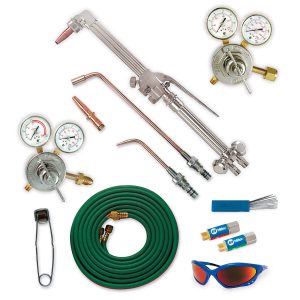
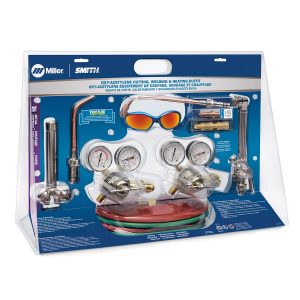
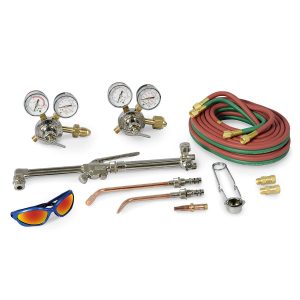
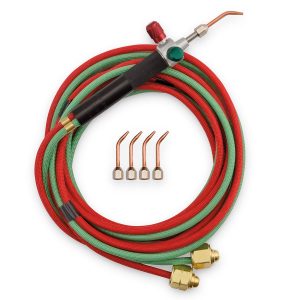
Featured Products

Wrapping up
In oxyfuel, durability and reliability aren’t luxuries—they’re risk controls and profit drivers. A 10-year TCO lens shows why Smith is the rational choice: fewer replacements, less downtime, tighter safety posture, and a documented warranty structure you can literally budget around.
If you’re equipping a new line, standardizing a fleet, or replacing a patchwork of low-cost gear, make the move that pays you back year after year: choose Smith—the most durable and reliable oxyfuel equipment for heating, cutting, brazing, and welding.